Showing posts with label Essaouira. Show all posts

Sunday, September 9, 2012

3la salemtek! Welcome back.


After a summer’s long vacation from writing, September feels like a perfect time to resume. 
This summer went by in a blur. I spent June and July in Rabat. With a lightened workload, I had ample time to travel, try new things, and spend time with friends. One of my goals for the summer was to learn how to surf. There is a small surf shack on the beach that offers a very attractive surfing “package”, where you pay for twelve lessons that include an instructor, wetsuit, and surfboard. As you can imagine, the surf instructor are very laid back guys who do this because they absolutely love it. There is no time limit to your lesson. You arrive, wait for the mouja mezyena (good waves), and then set out until you tell them safee (that’s it, I’m done). The best times of day to surf this summer were either early in the morning or about 6 at night. 


For one reason or another, I ended up doing the latter time, which placed me floating in the surf just as the sun was beginning to set over the Atlantic. While my goal was never to become an expert surfer, as someone who has always enjoyed swimming there is something incredibly exhilarating about finding a new way to enjoy the ocean. It has also been fun to be a part of a different side of Morocco, meet new people, and learn new words along the way. My sister visited me for a weekend in the very beginning of the summer and I was able to take her surfing. She loved it and was able to stand up on her first lesson! It was great to be able to share something like this with her. 


Us post-surf lesson with our instructor Hamza 

 In the beginning of July a few friends and I did a four-day trek up Mt. Toubkal, the highest peak in North Africa. Our journey started by taking a train to Marrakech, where we spent one night in a hotel before setting out early the next morning to meet our grand taxi driver. We drove an hour and a half up winding dusty roads to a small village in the mountains to meet our two mules (b’ghla), guides and begin our journey. Over the course of four days we saw breathtaking views (that brought upon many ‘Sound of Music’ inspired sing-a-longs), hiked up countless switchbacks, stopped for lunch in a small village, danced, and met new friends each night as we congregated for tea and cookies in the mountain refuges. Our guide, Hicham, spoke English fluently and was very gracious to us. He told us that he has several sisters and was therefore not phased at all by spending four whole days isolated on mountain trails with a group of four girls. For that, we were lucky. He also impressed us by the ease at which he maintained his brisk pace. He always had his hands casually slid into his pockets and barely ate or drank anything while we hiked. He told us he was practicing for when he has to work during Ramadan.

The view from the house in a small mountain village where we stopped for lunch the first day
Being in the mountains meant that Darija was replaced by Teshelheit (a Berber dialect) as the lingua franca. In the evenings after dinner we would sit around with the mountain guides at the refuge and they would try to teach us songs in the local language. While the words didn’t stick, we did acquire a fun list of new words in Teshelheit during our trip: 

Or geese eelie - there isn’t…

Or geese ajmeel - you’re welcome

Aghrome  - bread

Aman - water

Eemeem - delicious

Goma - brother

Ultima - sister

Eesh/ch’e - eat
Zund zund  - same

Eemik eemik  - so-so

Timinseeween  - good night

Throughout the trip, the summit had been the goal. Everyday we were getting closer and closer to reaching it. In the morning on our second day, I had my first experience with altitude sickness.  The climb was steep and the altitude raised quickly. All I could think about was old PBS documentaries on climbing Mt. Everest when they showed hikers experiencing altitude sickness and needed oxygen masks and coughed up blood. Of course, our experience was not that bad. I did feel incredibly nauseated, had serious vertigo, and as it was happening felt like I would never be able to summon the strength to continue. Apparently, one of the easiest ways to ward off altitude sickness is by drinking enough water. Finally, the episode passed and we moved forward. I learned never to underestimate the power of proper hydration. 


Post-dinner tea time on the roof of the refuge our first night
The next day was summit day and I woke up nervous. I knew that the altitude we would reach today would be even higher than yesterday and my fear of coming down with altitude sickness for another time haunted me. As usual, we set out early in the morning. I couldn’t believe it when we could finally see the metal triangle perched atop the peak in the distance and Hicham gave us the estimated time as 30 more minutes. In the final stretch, my heart began pounding and I broke into a jog. At that moment, it all felt so easy. We finally reached this incredible peak that for days seemed threatening and unattainable. From the top, there were several groups from all over the world taking pictures, holding flags, laughing, and enjoying well-deserved snacks. Hicham surprised us with a huge bag of cookies and nuts. We looked out in all directions over the clouds as a large group began praying in a circle, hands out, heads bowed. We sang more folk songs, took pictures, and then started our descent down. In total, it took about two and a half hours to reach the top from our refuge, and about 3 hours to get down.

Group shot at the refuge before beginning our summit hike on day 3


Summit!


Less than a week after returning from our hike, I packed up my bag again and set out on a three day trip to Brussels in hopes of setting up contact with several people and associations who could help me with my Fulbright application. The days went by fast and were filled with pleasant surprises. Cold calls turned into warm meetings and I left feeling euphoric by the way the puzzle pieces felt like they were finally fitting together. 


Shortly after coming back from Belgium, I could feel that there was something different in the air. The streets of Rabat became flooded with cars that had MRE (Marocains résident à l’étranger - Moroccans living abroad) license plates from France, Spain, England, Italy, and Belgium. This could only mean one thing: summer vacation was here and Ramadan was quickly approaching. The date sellers in the markets nearly doubled, as did the honey-soaked chebakiyya pastries and large tupperwares. Billboards popped up all over town showing major Ramadan sales at supermarkets and department stores. Interestingly, as the city began to fill up with extended families, it also simultaneously became more peaceful and quiet. 

Just as Moroccans were welcoming their extended families living overseas back home for the holidays, I was lucky enough to have the rest of my family visit for one week. We hired a driver and went down south to the beach towns of Essaouira and Agadir as a way to beat the heat and enjoy the seaside culture à la marocaine. After five days down south exploring Argan cooperatives, ancient medinas, resort-style beaches, and learning to respect the incessant and powerful wind Essaouira is known for, we returned back to Rabat and Fez for our last few nights together. Ramadan began during our trip, which provided us with an added challenge of finding food throughout the day while everyone else was fasting. Despite that, it was a great experience to be able to observe the holiday with my family. I think we all realized that while we may not fully grasp the purpose behind this strict month-long regime of fasting and feasting, we could respect the similarities that it shared to holidays that we hold as sacred: how time slows down and people take the time to be with those that they love. 


After saying goodbye to my family I began a two-week house/cat-sitting “post” at a friend’s house in Agdal. The couple has two very loving and attention-hungry cats that feed off human affection. It was nice to be around clean and domesticated cats again as opposed to the all too often run-ins with cute but dirty dumpster-diving ferrel variety. As teachers at the Rabat American School, their house was equipped with many comforts of home, including dependable wi-fi, a verdurous garden, and an ‘American telephone’ that I could use to call home. In the evenings I would have friends over after they broke their fast. We enjoyed several Mexican fiesta dinners followed by long games of cards that lasted well into the night. 

The garden tortoise that always found his way into the house


Finally, I returned home to Boston for a short three week trip. It felt wonderful being home again with my family just in time to celebrate my birthday and savor the last few weeks of summer in New England. I left to come back before my heart or head was ready, but new opportunities were on the horizon back in Morocco that I needed to attend to. Last week I signed a one year contract with an American-Moroccan development agency and moved into a cozy new apartment on the beach. While things are moving fast and at times feel overwhelming, I don’t think I’d have it any other way. Inch’allah my exchange of comfort and familiarity for new and challenging will be one that will prove to be as rewarding as I imagine it will be. I’m looking forward to all the lies ahead while trying to take things one step at a time. Shweeya b shweeya. 

Wednesday, May 2, 2012

Another side of Moroccan Culture: Gnaoua and the Layla Rituals

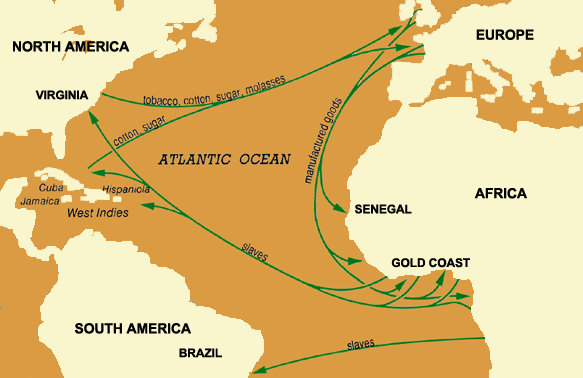
Gnaoua (ga-na-wa) is a musical and cultural tradition that comes out of the West African slave trade. The sleepy beach town of Essaouira in southern Morocco is known for its Gnaouan culture, which came about because it once was a major (slave) trade port on the Western coast of Africa. Today, Essaouira hosts a huge Gnaoua music and culture festival every June to honor its heritage. Many Western musicians such as Jimi Hendrix, Cat Stevens (now Youssef Islam) and Eric Clapton spent time in Essaouira and hung out with Gnaouan musicians.  The title of Eric Clapton's famous song "Layla" was inspired by observing one of these cermonies during his time spent in Essaouira. While Gnaouan's religious beliefs are rooted in Islam, it is a very spiritual interpretation - venerating spirits and martyrs during particular rituals. The Gnaoua tradition hold many paralells to Voodoo and Santeria, which makes sense, if you consider the Golden Triangle of trade and slavery between Europe, Africa, and the Americas. Voodoo and Santeria are both practiced in the region of the Carribbean, but are considered to have come over from Africa by the slave trade.


The traditional costumes and instruments used in the Gnaoua tradition distinguish it from all other coexisting cultures in Morocco. The first thing you notice is how much the costumes are influenced aesthetically by sub-Saharan culture and tradition. Many of the musicians and performers have darker skin and long dreaded hair, their robes are made of brightly colored fabric (typically red, green, yellow, and/or white) and traditional hats are decorated with colored beads and cowrie shells.

The hat pictured below is an example of the style of hat that Gnaouis wear while performing. They bob their head around and manage to swing the tassle around their head as they play (I say 'manage' because it is harder than it looks - trust me!). Swinging the tassle around as their head sways from side to side gives the impression to the audience that they are being entranced by the music.


The Hajhouj
This instrument is an integral part of any Gnaoua music group. It is a three-stringed acoustic instrument with a deep haunting sound. The strings are made with animal intestines (usually goat or sheep), the base is made out of wood, and the front of the instrument is covered with animal hide (usually camel or goat). The hajhouj is played very similar to a guitar, except with its added ability of acting simultaneously as percussion. Instead of strumming or plucking across the strings as you would a guitar or bass, players of the hajhouj strum or pluck downwards so their fingertips tap the animal hide, creating a percussive sound.


An interesting fact about the hajhouj : if you turn it on its side it resembles a slave ship

Percussion - Karkabo


The Karkabo percussion used in Gnaoua music is played in a similar way to Spanish castanets, placing the two pieces between your thumb and pointer finger. The sound of the metal clacking together is meant to conjure up the sound of slave chains.

The Layla Rituals

The Layla rituals, literally meaning night rituals, take place during the month before Ramadan. Laylas are a spiritually cathartic ritual that begins when the sun sets and ends at sunrise. People who believe they are ill due to a spiritual imbalance come to the Layla to be healed. Every night, a woman hosts the ritual in her home and invites a maalem (master, teacher) of Gnaoua to come with his musicians and lead the ceremony. 

During the layla, participants go on a spiritual journey where each transition is marked by different colors, incense, music style, and spirits evoked. Every person feels that they have a personal connection to a particular color and/or spirit, and when that color/spirit is evoked, they respond in a particular way, which I will elaborate on below.

White:  The color to start off the Layla, open the doors into the spirit world, and invite the spirits in. The musicians sing about marabouts, or saints, who believed in human equality and who spread the word of Islam. Both of these qualities are fundamental to the Gnaoua tradition because of its roots in both the West African slave trade and the Islamic faith. 

Green: During the green color, the spirits have been invited but no activity has happened yet. One of the major spirits that the lyrics evoke during this color is Moulay Abdelkader Jilali, who is a descendant of the prophet Mohammed. 

Light Blue: Color of the water spirits. During this section, the music evokes Sidi Moussa, the master of the water. We sing to Sidi Moussa to acknowledge that he provides us with water, and to show our respect. During this color, those who believe to be possessed by this spirit do a dance that looks like they are swimming to the rhythm of the music. 

Here is a clip from a Gnaoua group playing the song for Sidi Moussa:


Dark Blue: Color of the sky spirits, particularly Bou Yandi, the master of the sky spirits.  Those who are possessed by sky spirits begin to jump up into the air as if they are flying to the rhythm of the music.

Red: This color is known for its violent behavior, and logically it represents blood. Sidi Hamou is the major spirit of blood. When the music begins for this color, those that feel they are possessed by this color do a full bow facing into the circle in front of the musicians and then proceed by taking out knives and begin slashing themselves and dancing to the rhythm of the music. Oddly enough, it is believed that even though they are cutting themselves and they are bleeding, there will be no sign of it ever happening once the layla is over and the sun comes up.

Green: The color green returns for a second time, but with a different significance. This section of the layla ceremony is used as a way for everyone to relax after the intensity of the red color and to honor certain people/spirits who have or continue to do good in the world. Two popular venerated saints for this color are Moulay Abdellah and Moulay Abdelrahim. 

Black: This color is the spirit of the forests, which contains so many spirits that they split the color into two sections. The first section is for "big" spirits and the second is for "small" spirits. The first "big" spirit that is mentioned is Lalla Mimouna, who is the guardian of the door. We must appeal to her first if we want the door opened to the forest spirit world. Dancers who feel they are connected with the spirit Sidi Mimoun hold lit candles and dance around while brushing their skin with the flames. After the "big" spirits, the music moves onto the "small" spirits, which are numerous. One aspect that separates this color from the others is the way the music is played. During Black, the musicians follow the lead of the dancers, speeding up the rhythm as the dancing accelerates. The music doesn't stop until the dancers cannot dance anymore and collapse on the ground. 

Lalla Aicha: While she is associated with the Black/Forest spirits, her importance lets her stand alone. Lalla Aicha was a beautiful woman who lived in Morocco during the 15th century when the Portugese expansion led to their occupation of the country. It is believed that Lalla Aicha only left the house at night, when she would seduce and then kill Portugese soldiers. 

Here is a clip of a Gnaoua group playing the song for Lalla Aicha:


Yellow: As the sun starts to make its first light on the horizon it is time to begin Yellow, which is the color for feminine spirits, such as Lalla Mira and Lalla Maliki. 

Finally, as dawn approaches, all the guests, participants, and musicians come together for a large prayer, where they ask God to continue to protect them and their country. When morning comes, everyone packs up, says their goodbyes, and goes home to catch up on sleep.

The information in this blog post about Layla ceremonies was taken from a presentation on Gnaoua culture done at my work. Fareed, an incredibly talented Gnaoua and jazz musician, came to talk to our students about his culture and perform a few songs. He is the singer and bassist of a gnaoua/rock/jazz fusion band called "Mayara". You really can hear the blend of cultural influences in their sound - African, Carribbean, Arab...

Here is a music video of one of their songs, "Haly Gnaoui":